
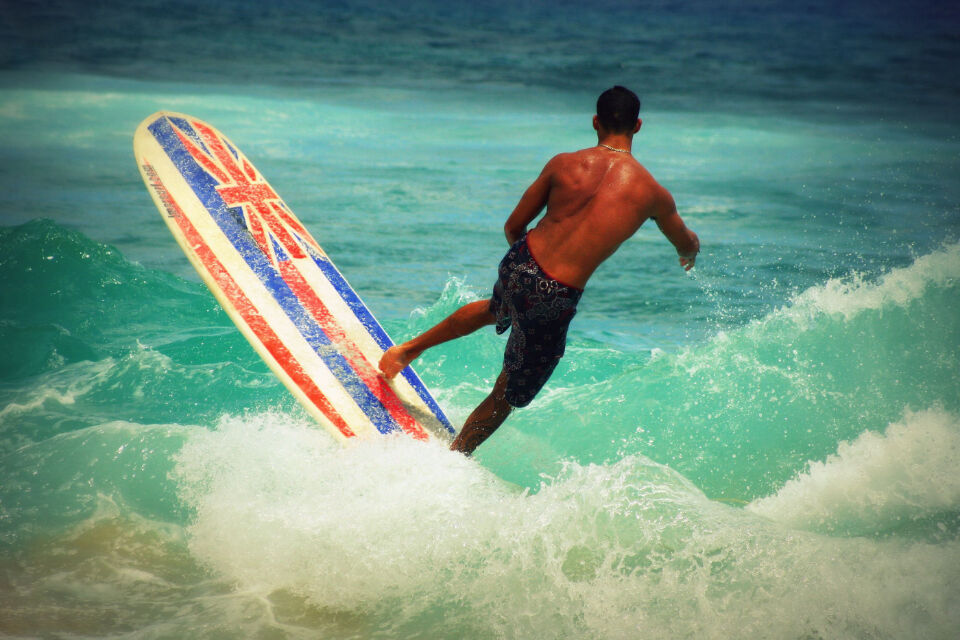
Bali draws surfers from all over the world. Its coast also has powerful waves, reefs and strong currents. A good trip starts with knowing how the ocean can catch people out.
This guide is for visiting surfers and swimmers. It draws on advice from Australian lifesaving bodies and the Australian Government’s Smartraveller service. The same rules about rips apply on any beach, at home or overseas.
Why ocean safety matters in Bali
Smartraveller notes that Australians have drowned in Bali because of rough seas and strong rip currents. It also warns that swimming conditions can vary and change rapidly. That is why checking the water before you go in matters so much.
Many visitors arrive tired after a flight and keen to get straight into the sea. A quick look first costs nothing. Spend a few minutes watching the waves, the current and where other people are surfing or swimming.
Conditions can be very different from one beach to the next. A calm bay can sit only a short drive from a heavy reef break. Ask locals or your accommodation about the beach you plan to use that day.
What a rip current is
Royal Life Saving WA describes a rip as a strong channel of water that flows away from the shore into deeper water. Rips can form quickly and move. They are also hard to recognise, which is part of what makes them dangerous.
A rip can look calmer than the water around it. That fools people into thinking it is the safest spot to swim. Surf Life Saving Queensland says rips cause at least 21 drownings in Australia each year on average, which shows how serious they can be.
How to spot a rip
Learning the signs of a rip is one of the most useful beach skills you can have. Not every sign shows up at once, so look for a combination. Royal Life Saving WA lists these clues.
- Water that looks darker or deeper than the water around it.
- Fewer breaking waves, or none at all.
- A rippled surface with smoother water on either side.
- Murky or sandy water reaching out past the breaking waves.
- Foam, debris or seaweed moving out to sea.
A simple method is to find where the waves break consistently. Then look at the areas on either side where they do not. Those gaps are often rips.
What to do if you are caught in a rip
The first step is to stay calm. Panic burns energy fast, and energy is what keeps you afloat. Float on your back to save strength.
Raise one arm and call out for help. Wait for a lifeguard or lifesaver to reach you. Keep floating while you wait.
A rip may carry you back to a sandbar or shallower water. Strong swimmers who are not tired may be able to swim parallel to the shore, or swim into the breaking waves, to get out. Swimming straight against the rip can exhaust you quickly, so avoid it.
Surfing safely on reef breaks
Some Bali breaks sit over shallow reef. A fall onto reef can hurt. Know your limits and surf breaks that suit your skill level.
Watch a set or two before you paddle out. Work out where people are getting in and out of the water. Ask about the tide, because a break that is fine at one tide can be very shallow at another.
Leave rings, chains and other valuables back at your room. Our guide to what jewellery to take with you on holiday can help you pack lighter. Keeping your fingers and neck free is also safer in the surf.
A board to the face can damage teeth as well. Read about the best way to handle dental emergencies while travelling before you go. Knowing the plan ahead of time makes a bad day easier to manage.
Earthquakes and tsunami warnings
Smartraveller says Indonesia is in an active earthquake region. Earthquakes can trigger tsunamis. If you plan to surf, do water activities or travel by sea, Smartraveller says to check local conditions regularly.
Learn where the higher ground is near your accommodation. Listen to local authorities if a warning is issued. Do not stay near the water to watch the sea.
Insurance, scooters and getting to the beach
Smartraveller advises that travel insurance must cover all medical costs overseas, including evacuation. Check that your policy covers surfing and any other activities you plan. Hospitals usually ask for proof of insurance and a deposit before treatment.
Many surfers ride a scooter to the beach with a board rack. Smartraveller notes that motorcycle and moped accidents have killed and injured Australians, particularly in Bali. Always wear a helmet. Smartraveller says an Australian driver licence is not enough to ride in Indonesia, so you need an Indonesian licence or an International Driving Permit.
Look after yourself between sessions too. Drink plenty of water and eat well in the heat. Our list of healthy foods that are abundant in Bali gives some ideas for good fuel.
Keeping children safe near the water
Children need close supervision at the beach. Keep them within arm’s reach in the water. Choose calmer spots and avoid areas where rips may be present.
Royal Life Saving WA says the safest option is to swim between the red and yellow flags, where patrols watch the conditions. Where there are no flags, assess the water carefully before anyone goes in. Families looking for space to relax away from the surf may like the reasons for renting a Bali villa with your family.
Before you fly, read the full advice on rip currents from Royal Life Saving WA. Then check the current Smartraveller advice for Indonesia for the latest on water safety and other risks. Both are short reads and worth the time.
Frequently asked questions
What does a rip look like?
A rip often looks darker or deeper, with fewer breaking waves. You may see a rippled surface or sandy water moving out past the waves. It can look calmer than the water around it, which is why people swim into one by mistake.
What should I do if a rip pulls me out?
Stay calm and float on your back. Raise one arm and call for help. If you are a strong swimmer and not tired, swim parallel to the shore or into the breaking waves. Never swim straight against the current.
Does travel insurance cover surfing?
It depends on the policy. Smartraveller says you should confirm your insurance covers the activities you plan. Read the policy wording before you buy and ask the insurer if anything is unclear.
Are tsunamis a risk in Bali?
Smartraveller says Indonesia is in an active earthquake region, and earthquakes can trigger tsunamis. It suggests checking local conditions regularly if you surf or travel by sea. Follow directions from local authorities if a warning is issued.
This article is general travel safety information only. Ocean conditions change quickly and every beach is different. Always check local conditions and the latest official advice before you go into the water.